


Foldable Wheelchair Ramps
FollowAperçu
-
Emplois Directeur de points de ventes
-
Job en ligne 0
-
Vu 5
Description de l'entreprise
9 Lessons Your Parents Taught You About Wheelchair Ramps For Homes
Wheelchair Ramps for Homes: A Comprehensive Guide
Creating a barrier-free environment in a home is essential for ensuring comfort and availability for residents and visitors with mobility challenges. Wheelchair ramps are an important component of this effort, making it possible for much easier access to buildings and making everyday life more workable for individuals with specials needs. This article dives deep into the value of wheelchair ramps, their types, considerations for setup, and upkeep pointers.
Why Are Wheelchair Ramps Important?
Wheelchair ramps serve an important function in boosting mobility. They are particularly essential for:
- Accessibility: Ramps allow individuals who use wheelchairs, walkers, or have difficulty climbing up stairs to enter and leave buildings smoothly.
- Independence: With suitable ramp access, people can move around their surroundings individually, causing improved lifestyle.
- Safety: Ramps minimize the threat of accidents connected with stair climbing up for individuals with mobility difficulties.
Kinds Of Wheelchair Ramps
When considering wheelchair ramps for homes, it’s necessary to understand the various types offered. Here’s a summary:
| Type of Ramp | Description | Pros | Cons |
|---|---|---|---|
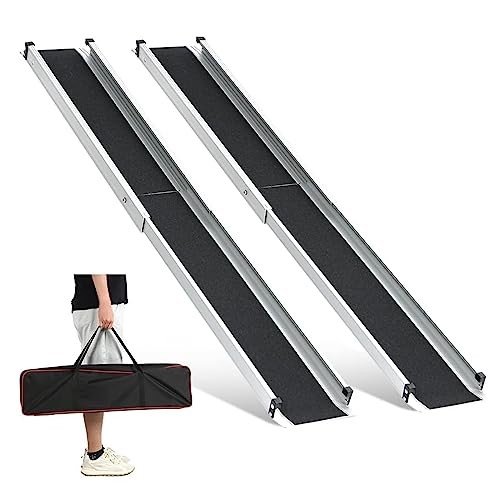
| Portable Ramps | Lightweight ramps that can be moved as required. | Easy to keep and transfer. | Restricted length; may not appropriate for all homes. |
| Long-term Ramps | Constructed to be an irreversible fixture of a home, usually made of concrete or wood. | Long lasting and can accommodate any height. | More pricey and require professional setup. |
| Modular Ramps | Sectional ramps that can be put together and tailored on-site. | Customizable to fit particular needs. | May need assembly and carry higher expenses. |
| Threshold Ramps | Designed for small increases, such as doorways or limits. | Ideal for basic transitions. | Limited application for greater elevations. |
| Pool Ramps | Utilized to supply access into pool. | Great for leisure spaces. | Not suitable for all environments. |
Key Considerations for Installation
When preparing to set up a wheelchair ramp in a home, several aspects ought to be considered:
-
Location and Space: Assess the area where the ramp will be set up. Guarantee adequate space for the ramp without obstructing paths.
-
Slope Ratio: According to the Americans with Disabilities Act (ADA), the suggested slope for a wheelchair ramp is 1:12. This means that for every single inch of height, there should be at least 12 inches of ramp run.
-
Materials: The products utilized for constructing ramps can substantially impact their safety and durability. Common materials include:
- Wood
- Aluminum
- Concrete
- Fiberglass
-
Building Codes: Always check regional building regulations and guidelines, which may determine specific requirements for ramp design and installation.
-
Expense: Budgeting for ramp setup can differ extensively depending on the type and materials. Expenses can vary from a few hundred to numerous thousand dollars.
Maintenance of Wheelchair Ramps
To ensure durability and safety, routine maintenance of wheelchair ramps is a must. Here are some necessary upkeep pointers:
- Inspect Regularly: Check for any loose bolts, fractures, or damages every few months.
- Clean the Surface: Keep the ramp surface area clear of debris, snow, and ice to avoid slipping.
- Look for Rust: For metal ramps, watch out for rust and treat any areas accordingly.
- Repaint if Necessary: Ensure that any painted surface areas are maintained to improve presence and avoid wear.
Regularly Asked Questions (FAQ)
1. Do I need an authorization to install a wheelchair ramp?
Yes, in most locations, you will need a license to construct an irreversible wheelchair ramp. It’s vital to check local regulations.
2. Can I construct my own wheelchair ramp?
Yes, DIY ramps are a choice, specifically for portable and threshold ramps. However, for irreversible ones, it’s advisable to consult with an expert.
3. How steep can a wheelchair ramp be?
For residential ramps, a slope of 1:12 is recommended; nevertheless, steeper slopes might be permissible for short distances.
4. How wide should a wheelchair ramp be?
The ADA advises a minimum width of 36 inches for wheelchair ramps to permit adequate space for maneuverability.
5. Can wheelchair ramps be installed outside?
Absolutely! Numerous wheelchair ramps are created for outside use. However, they need to be built with weather-resistant materials to stand up to the elements.
In summary, wheelchair ramps are essential in producing an available environment at home. By comprehending the different types, setup factors to consider, and maintenance requirements, house owners can make sure that their ramps serve their desired purpose efficiently. Whether it’s through enhancing self-reliance or ensuring safety, buying a wheelchair ramp could drastically enhance the quality of life for those dealing with mobility difficulties. It’s not practically functionality– it’s about promoting inclusivity and developing spaces that everyone can navigate with ease.
